
Mastering Underwater Photography and Low Light Photography
Underwater Photography
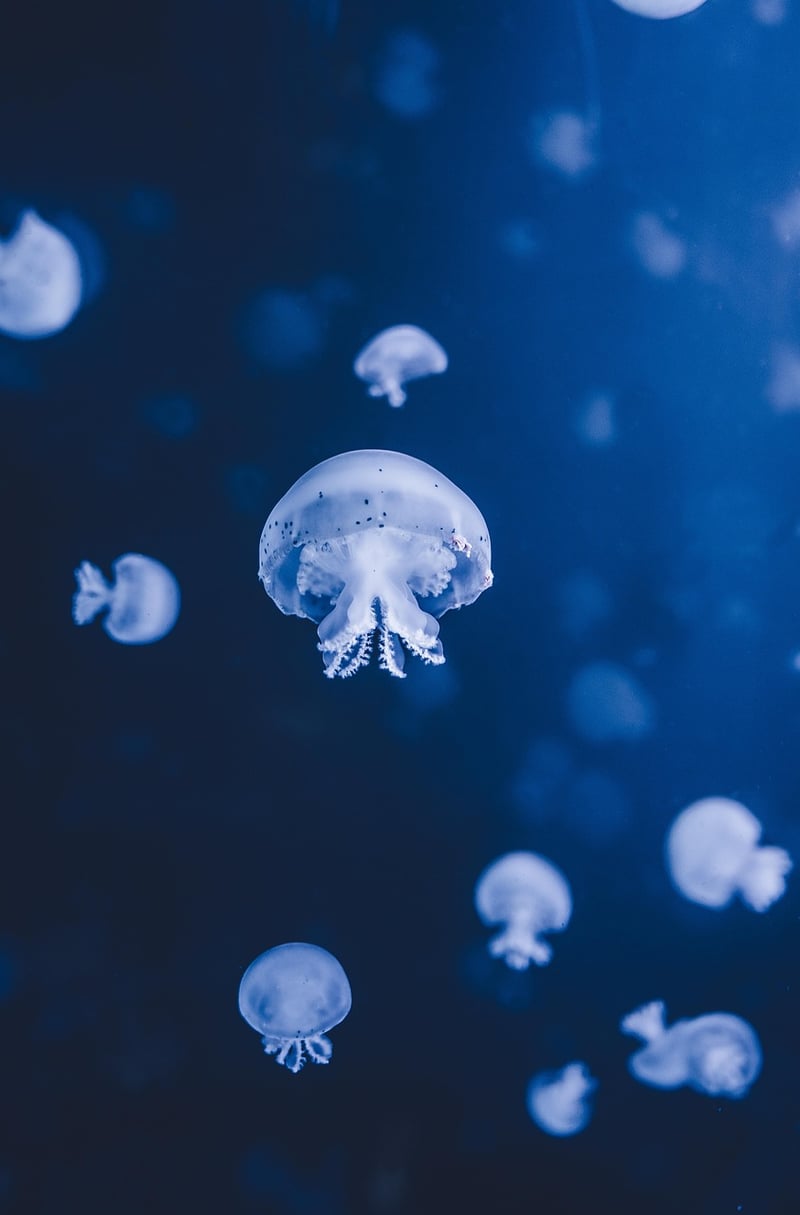
Underwater photography is a captivating form of art that allows you to capture the beauty of the underwater world. Whether you are diving in the ocean or exploring a crystal-clear lake, mastering the art of underwater photography requires skill and technique.
Tips for Underwater Photography:
- Invest in a good underwater camera or a sturdy waterproof housing for your existing camera.
- Understand the basics of light underwater and how it affects colors and clarity.
- Get close to your subjects to reduce the water's distortion and capture clear images.
- Experiment with different angles and perspectives to create unique compositions.
- Practice proper buoyancy control to maintain stability while shooting underwater.
Low Light Photography
Low light photography presents a unique set of challenges and opportunities for photographers. Whether you are capturing the cityscape at dusk or shooting the stars at night, mastering low light photography can result in stunning and atmospheric images.
Tips for Low Light Photography:
- Use a tripod to stabilize your camera and avoid camera shake in low light conditions.
- Adjust your camera settings for low light, such as using a wide aperture and slower shutter speed.
- Experiment with long exposures to capture light trails and create dynamic effects.
- Consider using artificial lighting sources or reflective surfaces to enhance your subject in low light.
- Post-process your images using editing software to correct exposure and enhance details.
By mastering the art of underwater photography and low light photography, you can expand your creative horizons and capture stunning images in challenging conditions. Remember, practice makes perfect, so don't be afraid to experiment and refine your skills in these specialized forms of photography.